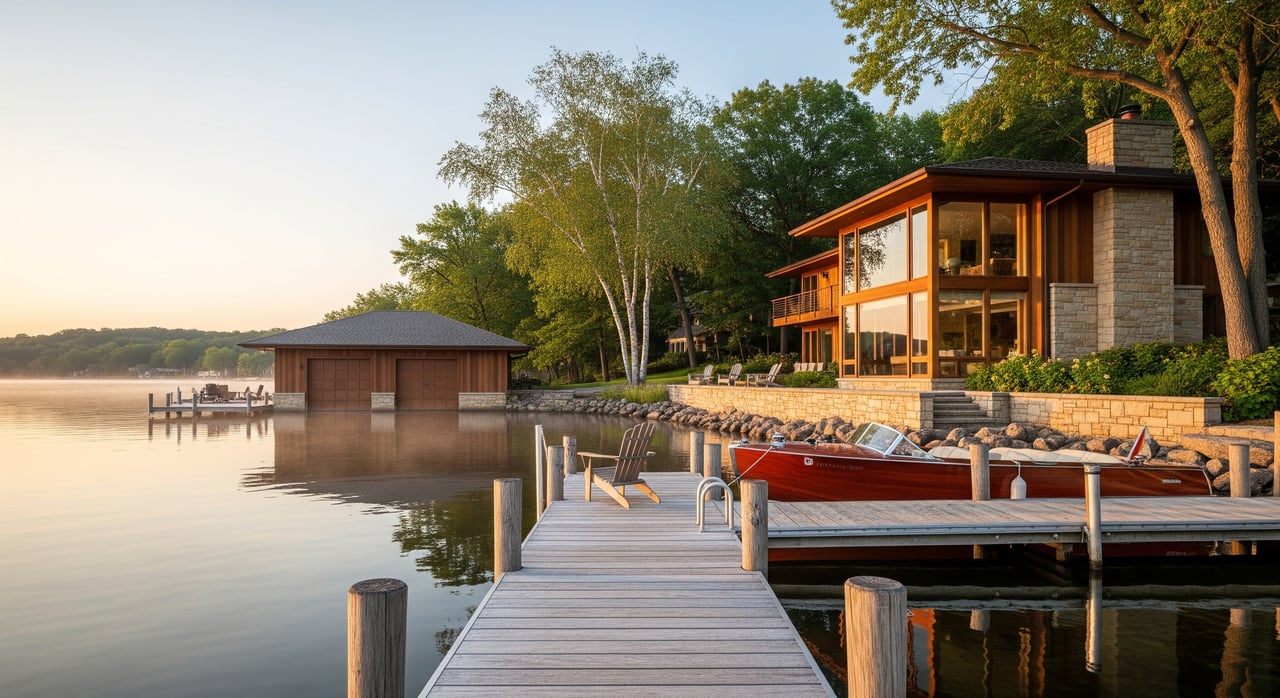
Staring at the map of Lake Minnetonka and feeling a little overwhelmed? You’re not alone. With dozens of bays, islands, and shoreline towns, each pocket offers a different pace, view, and way to get on the water. In this guide, you’ll compare communities by lifestyle, access, commute, and housing so you can focus your search with confidence. Let’s dive in.
Orient yourself to the lake
Lake Minnetonka stretches across Hennepin County in a series of bays and channels. Shorelines vary from narrow coves to wide-open water, which changes your views, boating access, and exposure to wind and waves. That variety is a big part of the appeal.
As you look around the lake, think in terms of three simple zones:
- East and northeast shores: closer to downtown Minneapolis with lively dining and marinas.
- South and bay areas: walkable small-town cores with seasonal events and easy launches.
- West and northwest shores: more rural, private settings with larger lots and estates.
Pick your lake lifestyle
Start with the kind of lake experience you want. Then match that to how properties typically grant access.
- True waterfront with private dock or boathouse. This is premium and limited. It offers the most control and convenience.
- Lake-view homes on or near the shoreline. You enjoy the scenery, with access via public or association options nearby.
- Association or shared-access communities. These may include shared docks or launches with HOA rules you must follow.
- Inland homes near the lake. A short walk or drive gets you to public launches and marinas at a lower cost of entry.
Quick fit by priority
Use this fast guide to narrow your shortlist.
| Priority | Best-fit Lake Areas |
|---|---|
| Walkable dining and marinas | Wayzata, Excelsior |
| Privacy and acreage | Orono, Medina |
| Lower entry to lake lifestyle | Mound, Spring Park, Excelsior-area condos |
| Shorter downtown commute | Wayzata and nearby east-northeast pockets |
| Upscale waterfront enclaves | Deephaven, Tonka Bay, Greenwood |
Community snapshots
Wayzata
Wayzata is one of the lake’s busiest hubs with a walkable downtown, boutiques, restaurants, and marinas. Housing ranges from historic lakeside homes and luxury rebuilds to condos and nearby suburban neighborhoods. Waterfront and marina access are strong, and you can get onto open water easily. Commute times to downtown Minneapolis are shorter here compared with most west-lake towns.
Deephaven, Tonka Bay, and Greenwood
These northeast-pocket communities feel quiet and residential with clusters of upscale single-family waterfront homes. Many properties sit on larger lots, often with private docks and boathouses. You’ll find some association options and limited public access points. It is a moderate drive to downtown, with quick proximity to Wayzata amenities.
Excelsior
Excelsior offers a historic downtown with shops, dining, and frequent community events right by the water. Housing is a mix of renovated cottages, mid-century homes, condos and townhomes, and some waterfront estates. You have several public boat launches and excellent marina access. The commute to Minneapolis is moderate and depends on local arterials.
Mound and Spring Park
Mound carries a more suburban and municipal feel with a range of price points and several condo developments. Spring Park is smaller and close to Excelsior’s amenities. You’ll see a mix of condos, townhomes, and smaller-lot single-family homes, plus older cottages that have been updated or rebuilt. Community docks, public launches, and marinas make boating access straightforward.
Orono and Medina
Orono and Medina on the west and northwest sides feel more rural and private. Expect larger lots, wooded settings, and estate-level waterfront with deep lots and natural shoreline. You will find both private waterfront and association options. The drive to downtown Minneapolis is longer than east-shore towns, though westbound commuters to suburban job centers may benefit.
Minnetonka, Minnetrista, and Shorewood
Minnetonka offers wide suburban services and shopping with pockets of lakeshore. Minnetrista and Shorewood are smaller, quieter residential communities with notable shoreline areas. Housing spans suburban single-family homes to waterfront estates and lakeside cottages. Commute times vary widely by neighborhood, with strong road networks in many areas.
Budget and housing types
Lake Minnetonka offers a wide range of property types. Knowing where your budget fits can save time.
- Historic cottages. Often smaller and on tight lots. Many are renovated or targeted for teardown and rebuild.
- Mid-century lakeside homes. Ramblers and traditional designs from the 1940s to 1970s that may be updated.
- Luxury lake estates. Larger lots, private boathouses, deep-water access, and modern construction.
- Condos and townhomes. Lower-maintenance lake lifestyle with possible shared docks or marina access.
- Inland homes near the lake. More affordable and still close to public launches and marinas.
For pricing, think in tiers rather than exact numbers:
- Premium waterfront. Expect a substantially higher cost for shoreline and estate-level features.
- Mid-range lake-adjacent. Homes with shared or limited private access and updated cottages.
- Entry-level lake lifestyle. Condos, townhomes, smaller cottage renovations, or inland homes near access points.
Keep in mind that waterfront supply is limited, and desirable listings often move fast. Tear-down and rebuild activity is common in prime areas, so evaluate lot buildability and permits early. Seasonality matters, too. Spring through early summer is the most active time for showings, while winter can bring negotiation opportunities on properties used seasonally.
Commute, schools, and amenities
Most commutes around Lake Minnetonka are by car using I-394, county roads, and local arterials. Wayzata and the northeast side are typically closer to downtown Minneapolis. Western and northwestern communities can mean longer downtown drives but may be closer to western job centers.
School district boundaries often cross city lines. Well-known districts serve different parts of the lake. Always verify assigned schools for a specific address. Lifestyle amenities vary across towns. Wayzata and Excelsior offer the most dining, shopping, cultural events, and marinas, while Orono and Medina lean toward privacy and natural settings. Minnetonka and Mound-area zones provide broad suburban services and diverse housing.
Due diligence checklist for lake buyers
Getting lake access right up front can prevent surprises later. Use these checks to protect your plan and budget.
Lake access and docking
- Confirm what rights convey with the property: private dock or boathouse, easement, riparian rights, shared association dock, or none.
- Verify permits for any existing dock or boathouse and any shoreline stabilization.
- Ask about water depth at the dock, reliability at low water, and year-round access.
- Review seasonal rules, community dock policies, and rental restrictions.
Environmental and shoreline concerns
- Check FEMA floodplain maps to see if flood insurance is required.
- Review city or county shoreland regulations and setbacks near the water.
- Ask about erosion control, vegetation protection, and any restoration requirements.
Structures, utilities, and systems
- Confirm age, condition, and permitting of any septic system. Many lake-area homes use private septic.
- If the property has a well, test water quality and understand the potable water source.
- Inspect boathouse or garage structure and any utility hookups.
Local rules, taxes, and insurance
- Review property taxes and any lake-area assessments. Waterfront often carries higher assessments.
- Get quotes for homeowners insurance and flood insurance if applicable. Wind and hail exposure can affect premiums.
- If there is an HOA, read dues, dock rules, guest moorage policies, and maintenance responsibilities.
Aquatic invasive species and boating rules
- Minnesota has AIS prevention laws. Public launches and marinas often require inspections and decontamination steps. Ask about AIS history for the specific bay or cove.
Title, easements, and access
- Verify shoreline easements, public access easements, and any neighbor rights that could affect your use.
Permitting and rebuild potential
- If you plan to renovate or rebuild, research zoning, lot coverage limits, shoreline setbacks, and feasibility of new or expanded structures.
Plan your search step by step
Use this simple process to go from broad vision to a shortlist you can tour in a weekend.
- Define non-negotiables. Decide on must-haves like private dock, minimum shoreline footage, commute time, school assignment, HOA allowances, and price cap.
- Map priorities to sub-areas. Walkable dining and a quick downtown drive point to Wayzata or Excelsior. Maximum privacy and acreage suggest Orono or Medina. Lower entry cost for lake life often means Mound, Spring Park, or Excelsior-area condos.
- Lean on authoritative resources. Use local parcel maps to check lot lines and easements, and review city shoreland and zoning pages for each municipality.
- Visit in multiple seasons. See the area in summer for peak boating, early spring for ice-off and water levels, and winter for ice conditions and road access.
- Ask targeted questions. What dock or riparian rights convey? Any shoreline stabilization or septic work with permits? What are typical wind and wave patterns near the lot?
When to shop and when to act
Spring through early summer is the most active listing and showing season on the lake. You will see more options, but competition can be stronger. Fall and winter can bring fewer listings, yet some sellers may be open to negotiation, especially on properties used seasonally. If a rare waterfront fit appears, be ready to move quickly with financing and inspections lined up.
How our team helps you decide
You deserve a clear, confident path to the right lake home. Our team pairs neighborhood-level insight with a concierge-style process: shortlisting communities by your lifestyle, arranging efficient tours across multiple bays, and guiding you through lake-specific due diligence. With professional marketing, on-the-ground connections, and access to Compass programs, we help you make decisions that align with both your lifestyle and long-term value.
Ready to focus your search and see what’s possible around Lake Minnetonka? Reach out to the Polovitz Group to start your lake-home search with a team that knows these shores.
FAQs
What types of lake access are common on Lake Minnetonka?
- You’ll see true waterfront with private docks or boathouses, lake-view homes with nearby access, association or shared-dock communities, and inland homes close to public launches.
How do I verify if a dock or boathouse is permitted?
- Ask for documentation showing current permits and confirm with the local city or county shoreland office. Make this part of your standard due diligence.
Which Lake Minnetonka areas are best for a shorter Minneapolis commute?
- East and northeast shores such as Wayzata generally offer shorter drives to downtown compared with west and northwest communities.
Are there extra rules about boats and aquatic invasive species?
- Yes. Minnesota’s AIS prevention laws apply, and launches or marinas may require inspections and decontamination steps. Ask about AIS history for your specific bay.
Do all lakefront homes include private dock rights?
- No. Some shorelines are shared, governed by association rules, or have no docking allowed. Always confirm in writing what access rights convey with the sale.