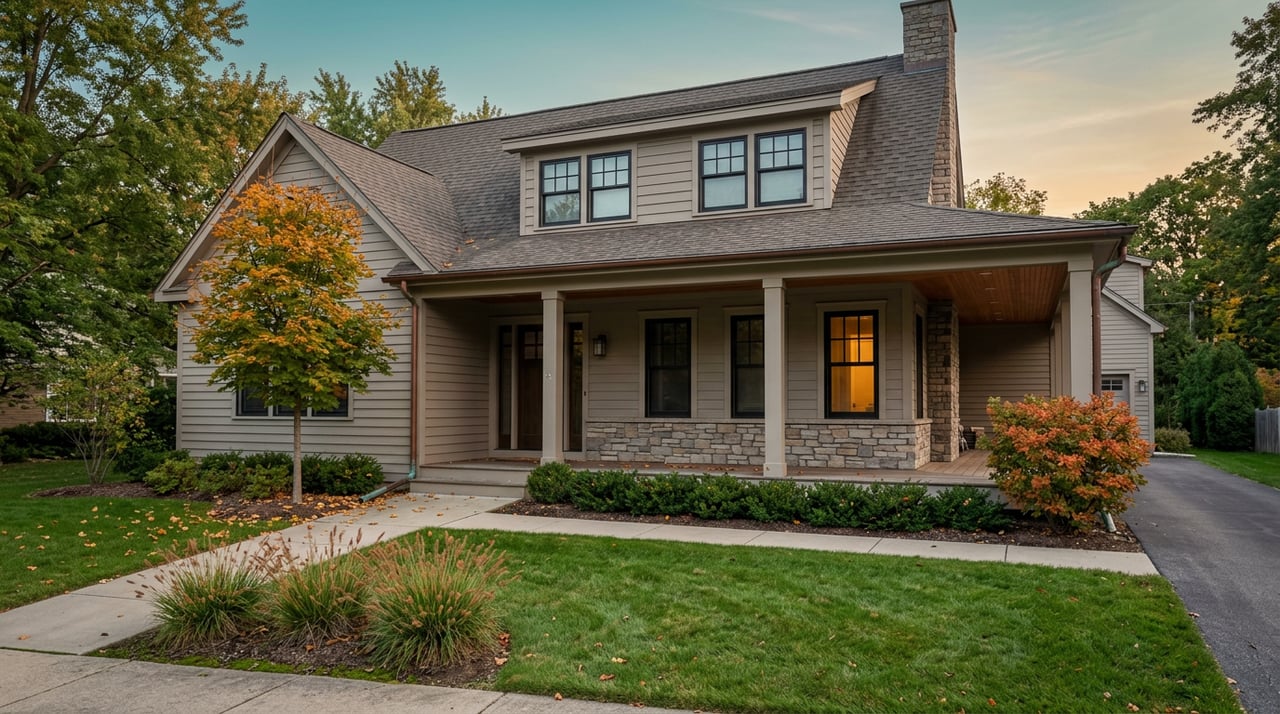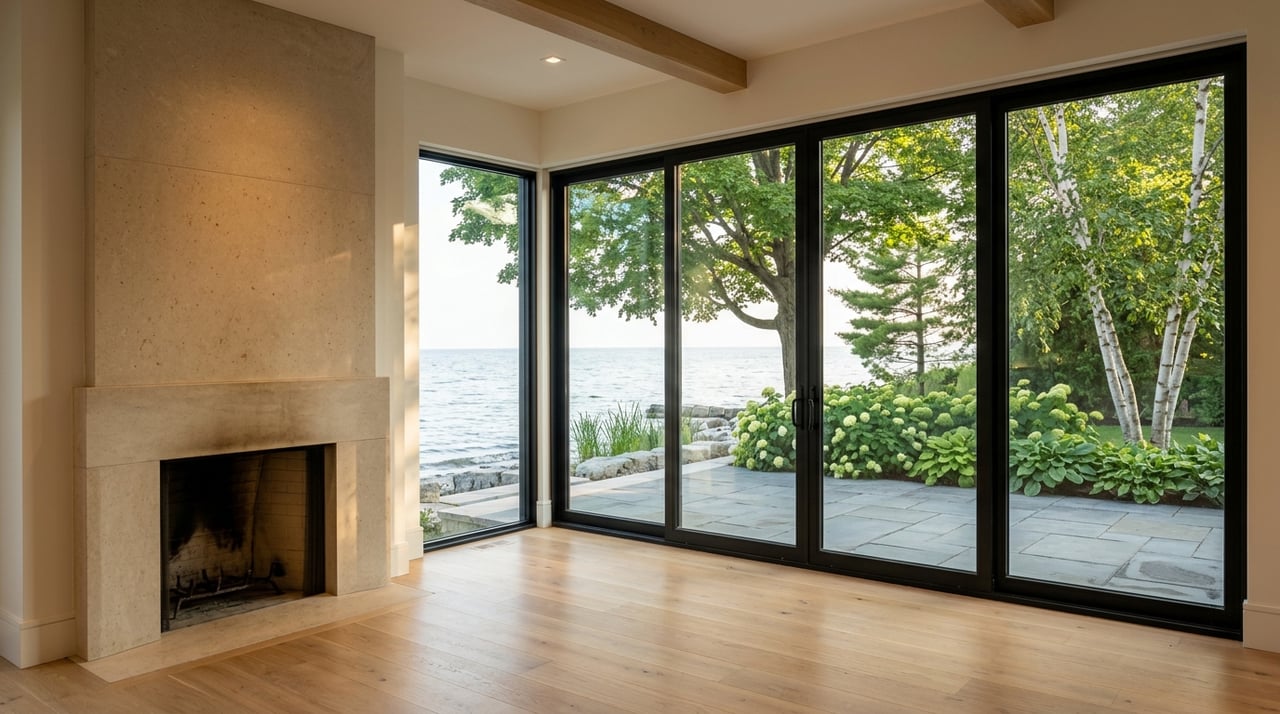
Thinking about buying a home in the Twin Cities while you still live somewhere else can feel like a lot to manage. You are trying to learn a new market, trust what you see on a screen, and make big decisions without being there in person for every step. The good news is that remote buying is very doable in Minnesota when you understand the process, the timeline, and the local rules that matter most. Let’s dive in.
Why remote buying works here
The Twin Cities market is broad, and that matters if you are relocating. The region spans seven counties and 182 communities, with nearly 3 million people, so your experience can vary a lot depending on where you want to live and what type of home you want.
That is why remote buying here is not really about tracking one metro-wide number. It is about understanding the micro-market you are targeting, whether that is a condo close to the city, a single-family home in the western suburbs, or a lake-area property near Wayzata, Deephaven, Shorewood, or Excelsior.
As of March 2026, Minnesota Realtors reported a Twin Cities median sales price of $380,000 and an average of 62 days on market across the metro. Inventory has improved from the most competitive years, but it still sits below long-term norms, which means you may have more breathing room than buyers had a few years ago, but the right home can still require quick, confident action.
Start with a local strategy
If you are relocating, your first step is not just browsing listings. It is building a search plan around your timeline, budget, home type, and target areas so you can focus on homes that actually match your needs.
This matters even more in the Twin Cities because the region includes many distinct communities and housing styles. Pricing, pace, and negotiation leverage can shift from one area to the next, so a smart remote strategy depends on local context, not broad assumptions.
For many buyers, that also means narrowing your list early. If you know you are drawn to western suburbs, lake communities, or a specific lifestyle setup, a focused plan can save time and reduce decision fatigue.
How virtual touring usually works
Remote buying often starts with the basics: listing photos, floor plans, video walk-throughs, and 3D tours. From there, many buyers use live virtual showings to get a real-time look at the home and ask questions as they come up.
A live virtual showing can help you look beyond polished listing photos. You can ask to see ceiling heights, storage areas, views from certain windows, traffic flow between rooms, and details that matter for your day-to-day life.
There is also an important practical rule to know. As of August 17, 2024, a buyer working with an MLS participant must have a written buyer agreement before touring a home, including live virtual tours. So if you are relocating and planning to rely on video tours, expect that your agent relationship may be formalized early in the process.
What to look for during a live video tour
A remote showing is most useful when you treat it like an information-gathering session, not just a visual preview. The goal is to understand how the home feels, functions, and compares with other options.
Ask your agent to spend extra time on areas that are easy to miss online, such as:
- Entryway flow and first impression
- Natural light at different times of day
- Window placement and privacy
- Ceiling height and room proportions
- Storage spaces, closets, and utility areas
- Condition details around trim, flooring, and fixtures
- Exterior setup, driveway, garage, and yard layout
- Street feel and surrounding setting
For many relocation buyers, recorded notes and follow-up video clips also help. When you are comparing homes from another state, small details can blur together quickly.
Why inspection matters even more remotely
When you cannot attend every showing in person, the inspection becomes even more important. In practical terms, the inspection report often serves as your closest substitute for hands-on observation.
According to consumer guidance cited in the research, a home inspection is optional, but buyers often include it as a contingency in the purchase agreement. Inspections typically last at least two to three hours and may review the structure, roof, plumbing, electrical, HVAC, ventilation, and potential health-related issues such as mold, radon, lead paint, and asbestos.
In Minnesota, if you use an inspection-contingency addendum, the seller may decline to make repairs. That can lead to a decision point where you move forward as-is, negotiate further if the contract allows, or cancel by waiving the contingency according to the terms in place.
For a remote buyer, speed matters here. Once the report arrives, you will want time set aside to review findings carefully and decide on next steps before contingency deadlines pass.
Minnesota contract rules to know
Every state handles real estate details a little differently, and Minnesota has a few rules that are especially important if you are buying from out of state. These are not small technicalities. They can affect your timeline, your leverage, and your understanding of when a deal becomes binding.
One key point is seller disclosure timing. Minnesota law requires the seller to provide a written disclosure before signing an agreement to sell or transfer residential real property. That disclosure can be delivered to your agent, and delivery to your agent counts as delivery to you.
Another important term is the final acceptance date. Minnesota Realtors explains that this is the date the fully executed purchase agreement is delivered to the receiving party or that party’s agent. Once the agreement is executed and delivered, it is binding.
There is also a rule many out-of-state buyers do not expect: if the closing date passes, the contract does not automatically cancel. If a default or unmet condition continues past its deadline, Minnesota’s statutory cancellation process generally gives the other party 15 days to cure, unless the agreement provides for a declaratory cancellation.
Minnesota disclosures that can affect remote buyers
Because you are relying heavily on documents and digital communication, Minnesota’s disclosure framework deserves extra attention. It can provide critical information that you might not pick up from a single tour.
The Minnesota Attorney General notes that sellers may need to disclose matters related to wells, underground sewage treatment systems, radon, and lead-based paint. In some Minnesota cities, a Truth-in-Housing or code-compliance report may also be required.
For remote buyers, these disclosures help fill in gaps that a video walkthrough cannot. They also give you more context before your offer is finalized, which is especially helpful when you are learning a new area from a distance.
How remote closing works in Minnesota
A remote closing in Minnesota is often possible, but it is helpful to know what that actually means. In some cases, parts of the process are electronic while others still depend on the lender, title company, and the exact document package.
Minnesota allows remote online notarization, often called RON, through a registered remote online notary. Under Minnesota law, a qualifying remote online notarization satisfies the personal-appearance requirement, which helps make a mostly remote closing workable.
The state also allows electronic signatures and electronic filing for recordable documents under state standards. Hennepin County states that title companies, lenders, law firms, and other real estate professionals can electronically record documents, which supports a smoother remote or hybrid closing process when everyone involved is set up for it.
What closing day looks like from afar
If you are used to picturing a closing as everyone gathered around one table, remote buying can look a little different. The closing is still the point where the parties confirm that the purchase agreement terms have been met, but the logistics may happen through a sequence of digital documents, notarization steps, funding, and recording.
The Minnesota Attorney General describes closing as the time when buyer, seller, closers, and attorneys confirm the agreed terms, the seller signs the deed, and the parties review the Settlement Statement or Closing Disclosure. For you, that means preparation matters more than geography.
A smooth remote closing usually depends on these moving parts lining up:
- Final documents delivered on time
- Notary method confirmed in advance
- Funding instructions verified carefully
- Lender and title company aligned on process
- County recording handled correctly
Wire fraud is a real risk
This is one step every remote buyer should take seriously. The Consumer Financial Protection Bureau warns that scammers often target buyers just days before closing by posing as trusted real estate contacts and sending last-minute changes to wiring instructions.
Relocation buyers can be more exposed to this risk because so much of the transaction happens across distance, inboxes, and time zones. That makes it even more important to slow down and verify every step before money moves.
A few simple habits can help protect you:
- Identify two trusted contacts early in the transaction
- Verify wiring instructions by phone using a known, trusted number
- Do not use phone numbers or links pulled from suspicious emails
- Never email financial information
- Be skeptical of any last-minute change request
A realistic remote-buying timeline
While every purchase is different, most remote transactions follow the same general path. Knowing that sequence can make the process feel much more manageable.
Here is the typical flow:
- Define your search area, budget, and timeline.
- Sign a written buyer agreement before live tours begin.
- Review listings, floor plans, photos, and video tours.
- Attend live virtual showings and narrow your options.
- Submit an offer with terms that fit your goals and risk tolerance.
- Review seller disclosures and Minnesota-specific documents.
- Complete inspection and respond within contingency deadlines.
- Coordinate lender, title, notary, and closing logistics.
- Verify wire instructions directly with trusted contacts.
- Sign, fund, record, and get ready to move.
Why local guidance still matters
Technology makes remote buying possible, but it does not replace local judgment. In a region as varied as the Twin Cities, a strong remote experience comes from combining digital tools with market-specific guidance.
That is especially true if you are considering west metro and lake-area communities, where property type, location, and timing can shape both value and competition. A clear plan, responsive communication, and careful transaction management can make the difference between feeling rushed and feeling prepared.
If you are relocating to Minnesota, you do not have to figure it all out on your own. The right support can help you move from online browsing to a confident closing with less stress and fewer surprises. To start your search with a local team that understands Twin Cities relocation and lake-community living, connect with Polovitz Group.
FAQs
How does remote home buying work in the Twin Cities?
- Remote home buying in the Twin Cities usually follows a clear chain: online search, written buyer agreement, live virtual tours, offer, disclosures, inspection, and then a remote or hybrid closing if the parties and providers are set up for it.
Do you need a buyer agreement for virtual home tours in Minnesota?
- Yes. As of August 17, 2024, a buyer working with an MLS participant must have a written buyer agreement before touring a home, including during live virtual tours.
What should remote buyers know about Minnesota seller disclosures?
- Minnesota requires sellers to provide written disclosure before signing an agreement to sell or transfer residential real property, and delivery to your agent counts as delivery to you.
Does a missed closing date cancel a Minnesota purchase agreement?
- No. In Minnesota, a purchase agreement is not automatically canceled just because the closing date passes.
Can you close on a Minnesota home remotely?
- Often, yes. Minnesota allows remote online notarization for qualifying transactions, and electronic signatures and e-recording can support a mostly remote closing when the lender, title company, and documents are compatible.
Why is the home inspection so important for remote buyers in Minnesota?
- For remote buyers, the inspection report often becomes a key substitute for in-person observation, which makes it one of the most important parts of due diligence.
How can remote buyers avoid wire fraud at closing?
- Use trusted contacts, verify wire instructions by phone with a known number, avoid relying on email links or contact details, and never send financial information by email.