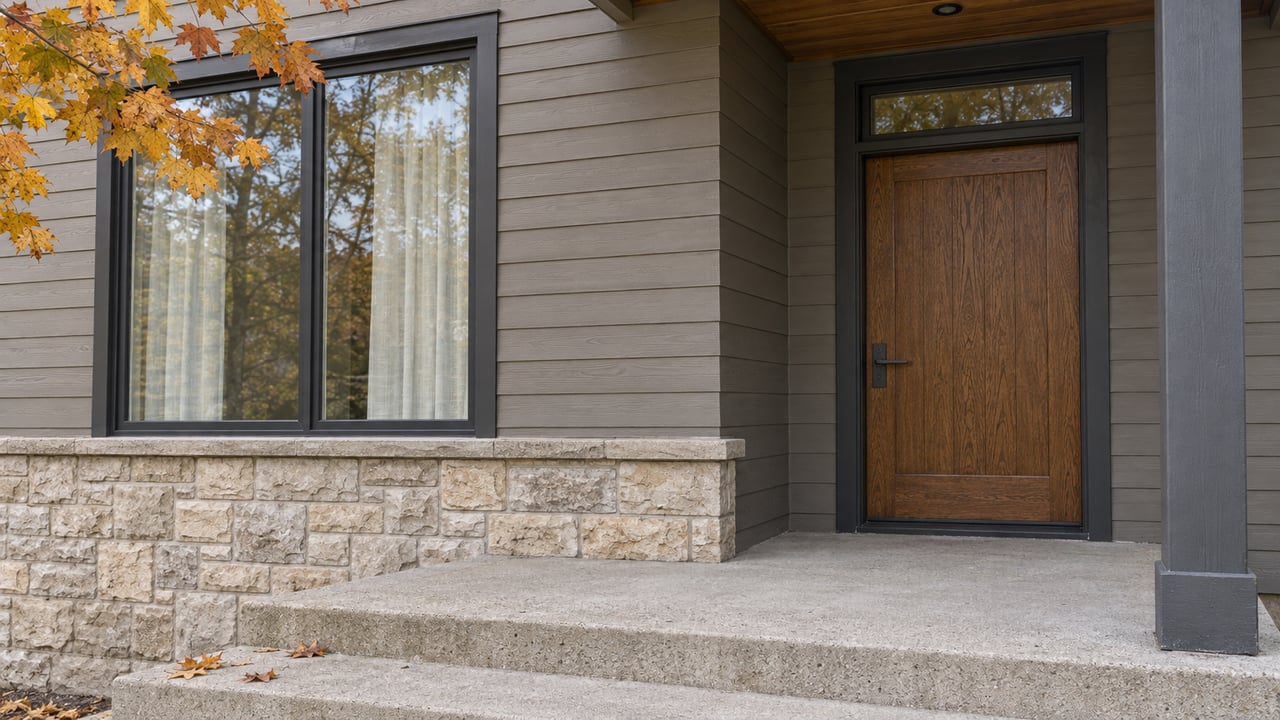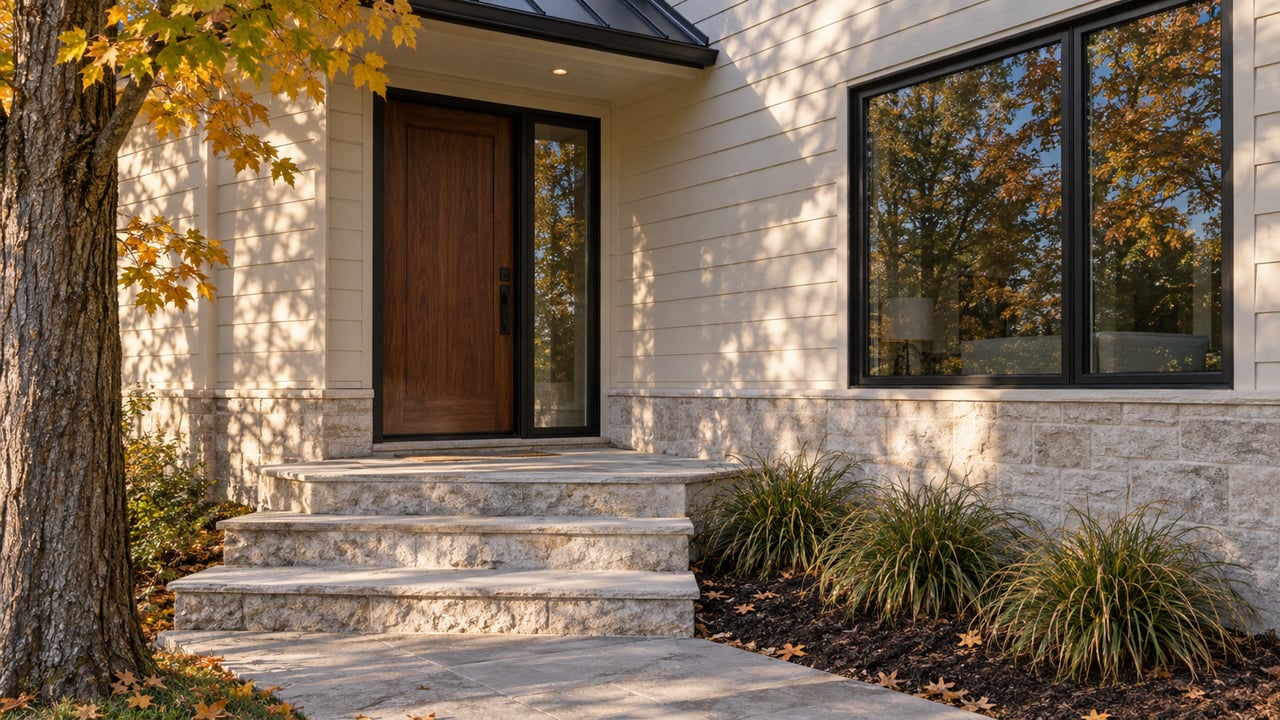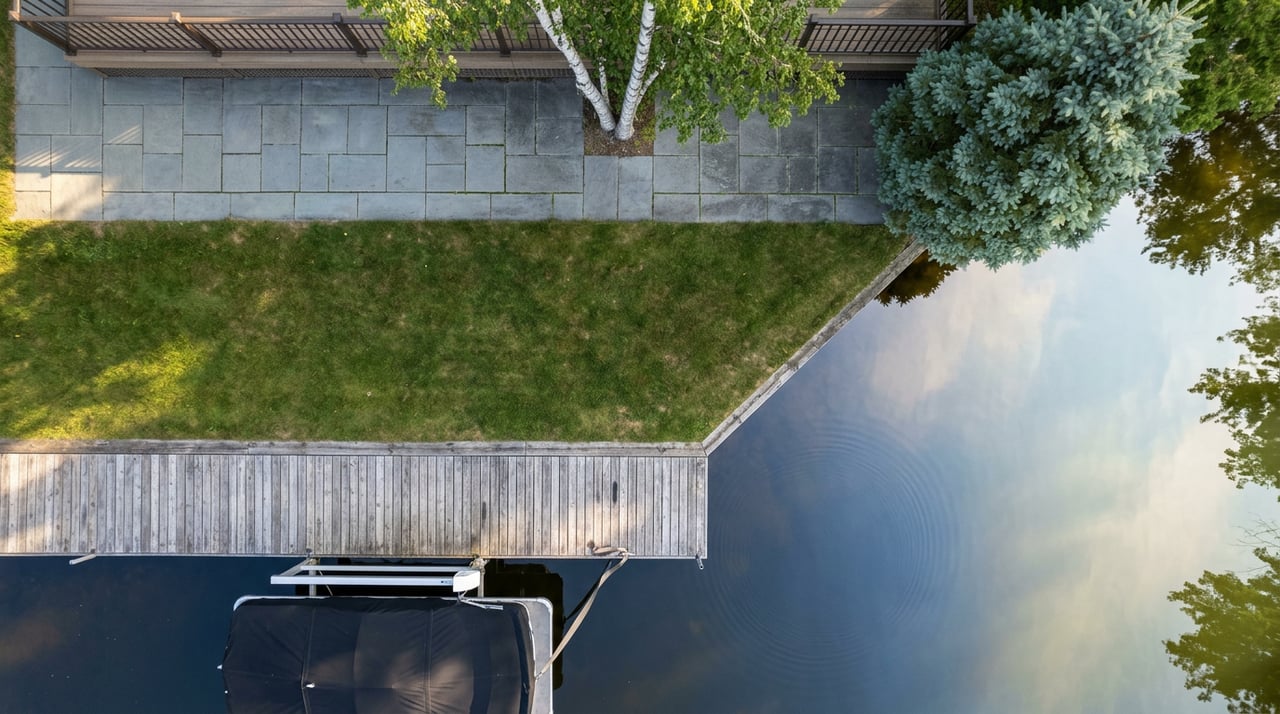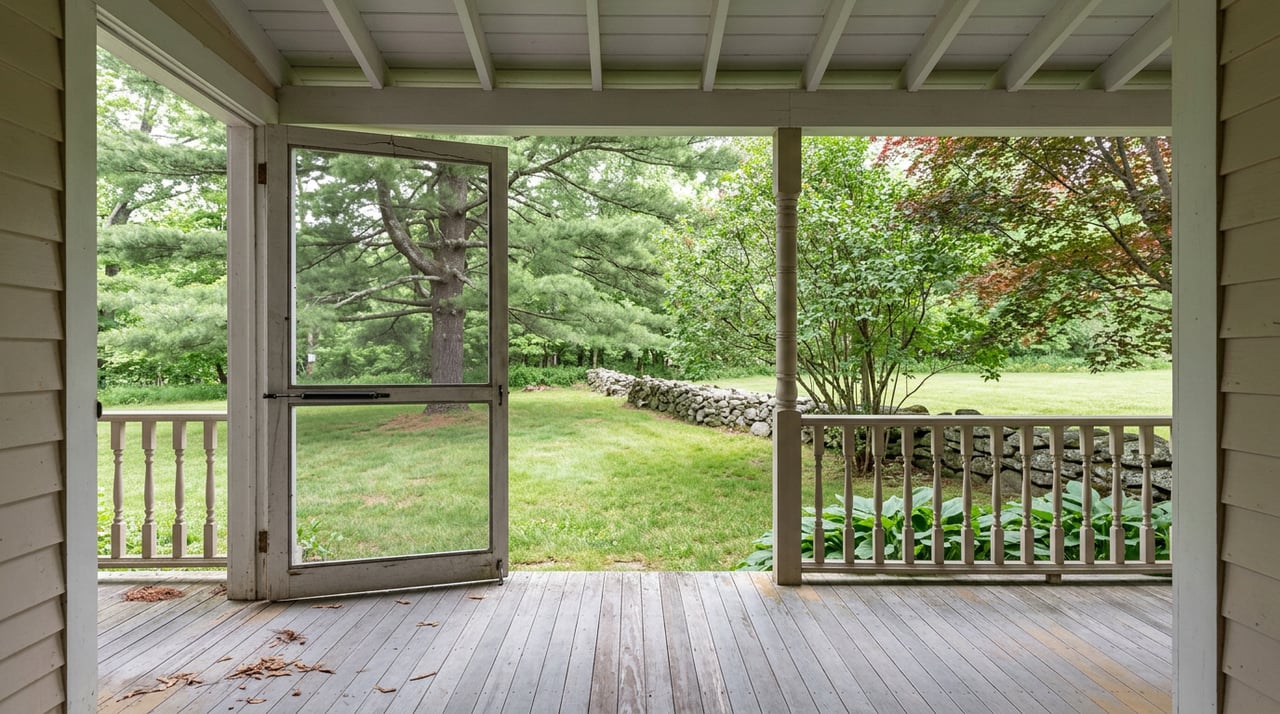
Ask someone in Cottagewood who runs the neighborhood and they will probably laugh, then point across the street from the Children's Park to a low white building with a porch and a screen door that slaps shut all summer. That is the Cottagewood Store. It sells penny candy, salad in a jar, and bait for the dock crowd. It is also, functionally, the closest thing this stretch of Carsons Bay has to a civic office.
That is not nostalgia talking. It is a description of how the place actually operates.
A store that answers to its neighbors, not a city department
The building has been open since 1895, first stocking bread, sugar and flour for summer visitors staying in the cottages and hotels that gave the neighborhood its name. It has outlasted the 1924 Keewaydin Hotel fire and a 1965 tornado that leveled houses across the street and left the store standing. Store manager Laurie Jenkins, who grew up riding her bike there for cookie dough and Snapple, says the building has changed hands more than thirty times over the decades. In 1995 it closed and went up for sale, and a group of neighbors called an emergency meeting rather than let it become something else.
That meeting is the hinge point. It produced the Cottagewood Community Foundation, the nonprofit that has run the store ever since. The names of the neighbors who chipped in to save it are etched into bricks out front of the building today.
What that history sets up is easy to miss if you only think of the store as a cute stop for coffee and ice cream: the calendar of neighborhood life here is not produced by the City of Deephaven, a chamber of commerce, or a property management company. It is produced, funded, and staffed by residents through a foundation they pay to belong to. Deephaven's city government still handles the things governments handle. Its Beach Patrol opens Sandy Beach in the Cottagewood neighborhood each season, and the city council sets policy on marinas and street projects a few blocks away. But the actual texture of a Cottagewood summer, who gathers where and when, runs through the Foundation.
Two tiers, and most residents are only aware of one
Walk in for a scoop of ice cream on a Tuesday afternoon and the store reads as fully public. Anyone can buy a sandwich, browse the lake-lifestyle apparel, or sit on the patio. That openness is real and it is by design.
But look at this year's event lineup and a second tier appears. The Annual Member Party, hosted by the Foundation's board, states plainly that you must be a current-year Cottagewood Community Foundation member to attend, and it is a 21-and-over event. The invitation goes out by mail, not by flyer at the store counter. It is a small detail, but it tells you something the postcard version of Cottagewood does not: the neighborhood's social contract has a paying tier built into it. Membership dues are what keep the porch lights on, and the Foundation reserves at least one gathering a year exclusively for the people who cover that cost.
Everything else on the calendar sits in the open tier, and it is a longer list than most people who only stop by for milkshakes would guess. This year that included Cottagewood Goes Country, a food-truck-and-country-flair evening in the park across the street, and a National Night Out gathering built around building relationships with local law enforcement. There was a pancake breakfast and decorated-bike parade with a raffle benefiting the Foundation, plus a Summer Lawn Sale stocked entirely from neighbor donations, with proceeds again routed back to the Foundation. Nautical Bowls, a smoothie and acai bowl vendor, even set up on-site to feed shoppers browsing the sale tables, which is about as small-town-specific a detail as this neighborhood produces.
The most telling addition to this year's calendar came from outside the store's own membership. The Minnetonka Yacht Club invited Cottagewood residents to a Grill Night in late June timed to the club's sailing races, with food catered by Cast and Cru, the group behind Dukes. It is a reminder that the store's reach extends past its own four walls. Other institutions on the lake treat Cottagewood residency itself as a standing invitation.
Where the money actually goes
None of this runs on goodwill alone. Every recurring fundraiser on the calendar, the lawn sale, the bike parade raffle, membership dues themselves, flows back into the same nonprofit that keeps the building open from its spring opening through a Halloween closing party each October 31. That closing event, a candy-and-costumes sendoff marking the final day of the season, is coming up again this fall, and it functions as both a community party and the last collection point of the year before winter.
This is the part that separates Cottagewood from a neighborhood that merely has a nice old store in it. The money residents spend at the counter and the money they pay in dues are the same pool that pays for keeping a 130-year-old building standing, staffing it with local teenagers for whom a summer job there is described by Jenkins as something close to a rite of passage, and funding the park improvements and events that make the neighborhood feel the way it does. There is no landlord skimming profit off the top. There is no city line item for it either. It is closer to a tax that residents opt into, administered by their own neighbors on a volunteer board.
The city still shows up, just for different things
None of this means Deephaven's government is absent from Cottagewood. It is present in the places city government usually is: opening the public beach each season, handling street and marina ordinances, and this year partnering directly with the Foundation and Thorpe Park Community Events on the Quasquicentennial, Deephaven's 125th anniversary celebration held in June. That partnership is worth noting on its own terms. It shows the city treating the Cottagewood Community Foundation as a peer institution worth co-hosting a milestone event with, not as a quaint local curiosity to be managed from the outside.
So the accurate way to describe Cottagewood's civic life is not that the neighborhood lacks government. It is that government and neighborhood are doing different jobs here, and the job of holding the community together day to day, deciding what a Tuesday in July or a Saturday in October feels like, belongs to a nonprofit built around a grocery counter.
What this means if you already live here
If you have lived in Cottagewood for years, you already know the store. What is easy to lose track of is how deliberately its calendar is built, and how much of what feels like ambient neighborhood charm is actually the output of a specific funding structure. The Grill Nights, the raffle, the lawn sale, the member-only party, each is doing double duty as both a gathering and a fundraising mechanism for the same nonprofit.
That is worth knowing the next time you buy a membership, drop a bag of clothes off for the lawn sale, or decide whether to make time for the Halloween sendoff before the store shutters for winter. You are not just supporting a nostalgic landmark. You are funding the specific mechanism that makes Cottagewood run the way it does, one Grill Night and one raffle ticket at a time.
If you are weighing a move within the lake communities we cover, from Cottagewood to Wayzata, Deephaven proper, Excelsior, or elsewhere along Lake Minnetonka, the Polovitz Group can walk you through what makes each pocket of this shoreline distinct, right down to the institutions that hold a neighborhood together. Reach out when you are ready to start your lake-home search or talk through what your property could mean on the market.