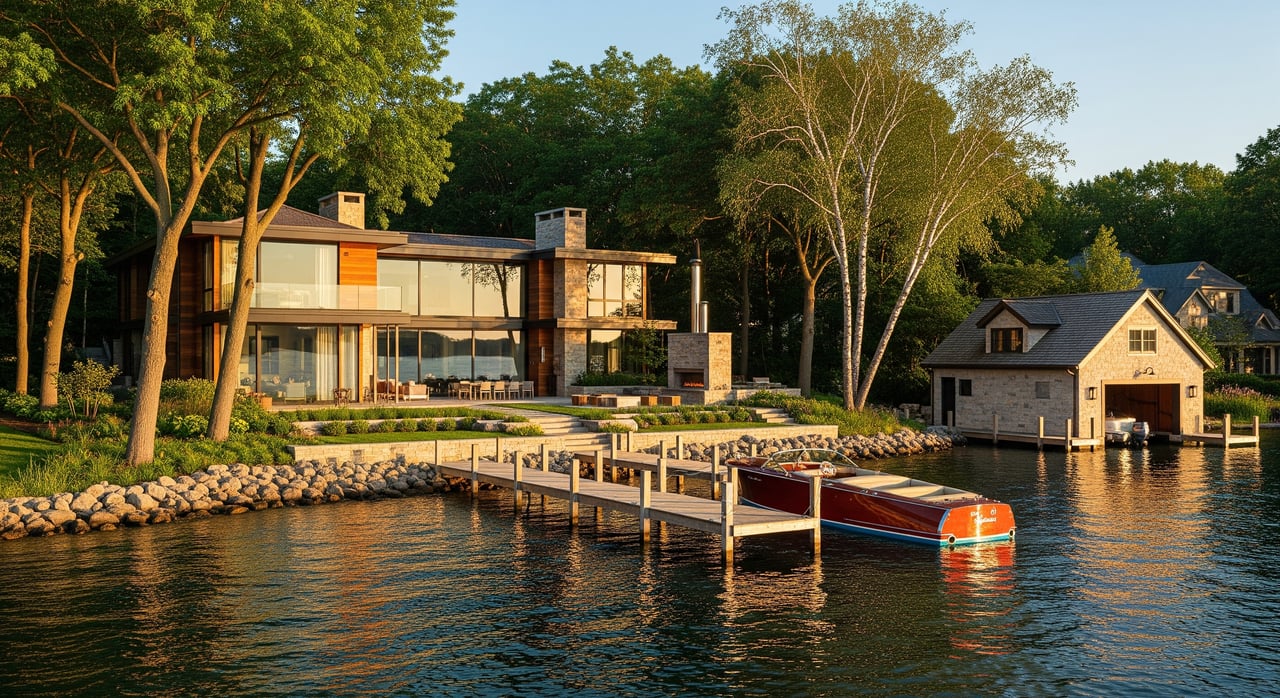
Ready to buy or sell on Lake Minnetonka but not sure which features matter most? You’re not alone. Lake properties here are unique by bay, shoreline, and local rules, so the right setup can save you time, money, and stress. In this guide, you’ll learn what buyers ask for most, how to weigh tradeoffs, and which projects help sellers stand out. Let’s dive in.
Docks buyers prioritize
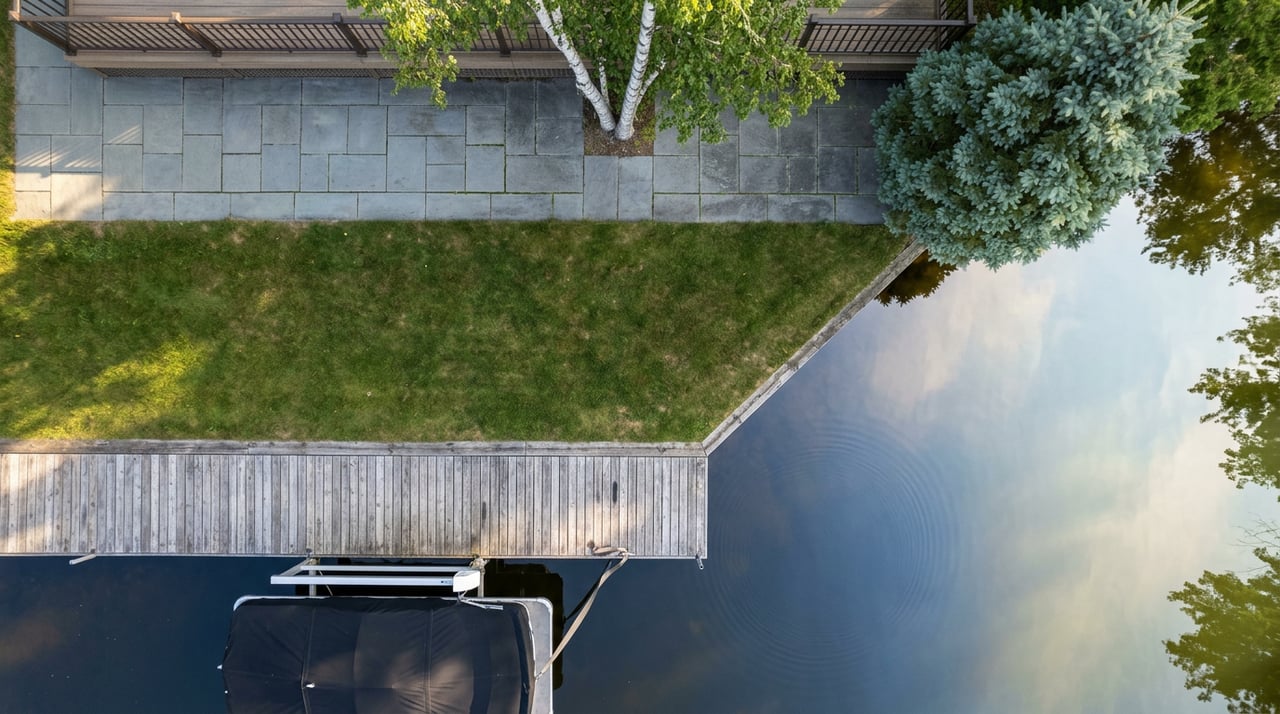
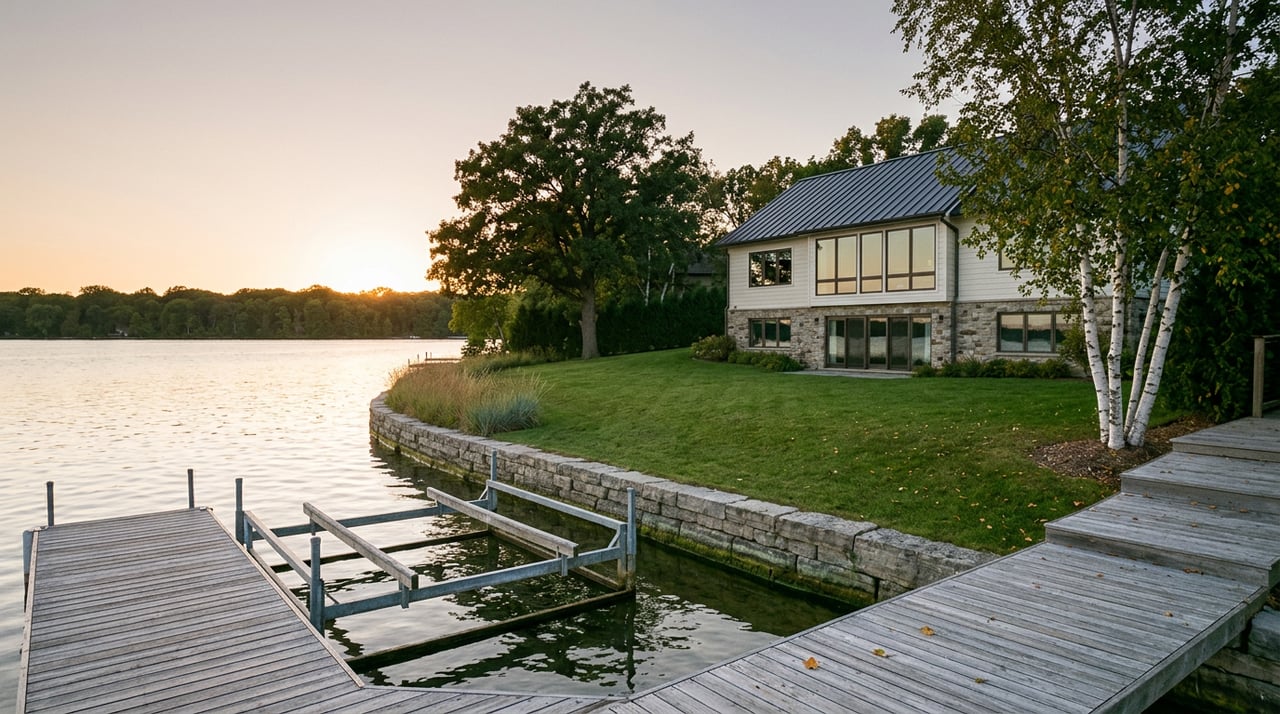
A safe, usable dock is usually at the top of the list. Buyers look for a code-compliant setup with a clear path from the house to the water, adequate length for mooring and swimming, and at least one boat lift or a clear plan for boat storage. Low-maintenance materials like composite decking and aluminum frames signal recent care.
Common dock choices include fixed pile docks for stable depths and floating docks where water levels or ice heave vary. Boat lifts add protection and convenience. Boathouses can be high value but face stricter permitting in many areas. For shared shoreline, association docks trade exclusivity for lower maintenance.
What to verify:
- Permit history and compliance with the Lake Minnetonka Conservation District and the Minnesota DNR.
- Safety details: secure decking, ladders and railings, and GFCI-protected electrical for lights or lifts.
- Orientation that fits your lifestyle, whether quick channel access or a calmer, swim-friendly spot.
Shoreline features that matter
Shoreline style shapes daily use. Natural shore with native vegetation appeals for habitat and a softer look. Sandy beach areas are popular for swimming and kids’ play but may need upkeep. Stone or seawall solutions stabilize slopes in higher-erosion areas, though some buyers prefer a natural edge.
Slope and access drive usability. Gentle grades make it easier to reach the water and can be safer for families and guests. Many buyers want a blend: a small sandy swim area, a stable dock, and natural buffers for erosion control and privacy.
Smart seller moves:
- Fix visible erosion and unstable banks first. Document any repairs or replacements.
- Confirm approvals before installing or repairing bulkheads.
- Consider modest beach or native-plant improvements that avoid extensive permits. For best practices, check the Minnesota Pollution Control Agency.
Water depth and navigation
Depth at the end of the dock affects what boats you can moor, how comfortable swimming is, and whether dredging might be needed later. Some buyers want a quick drop-off for larger boats. Others prefer shallower, swimmer-friendly areas.
Ask for typical summer depth readings at the dock and whether the path to open water stays navigable during low water. Also check distance and time to main channels. Local rules like no-wake zones vary by bay, so review guidance from the LMCD.
Seller tip: If depth is limited, be upfront and present options such as different lift styles, on-shore storage, or access to deeper shared slips.
Outdoor living and year-round use
Buyers want outdoor areas that work in every season. Covered porches and screened patios extend summer comfort. Level spaces near the water, like patios, fire pits, and lounge zones, make hosting easy. Bathrooms or changing areas close to the dock are a big plus.
Durable, low-maintenance surfaces matter in Minnesota’s freeze-thaw cycle. Composite decking, stone pavers, and treated concrete handle lake spray and grit. In cooler months, lighting, heat, and good indoor-outdoor flow help you enjoy the lake year-round.
Toy storage and logistics
Lake living usually means more gear. Buyers want a plan for boats, jet skis, kayaks, and paddleboards, plus guest parking and space for trailers. Heated garages or boathouses with storage and power are high value for year-round use and maintenance.
For sellers, visible organization goes a long way. Consolidate and label gear for showings. If you lack a boathouse, show where a lift could go or note options for shared slips, along with the relevant regulations.
Home tech, utilities, and resilience
Reliable Wi‑Fi and cell coverage at the water are now must-haves, especially for remote work or security. Dock power for chargers, lifts, and lighting should be safe, GFCI-protected, and clearly documented. Smart-home tools like remote locks, cameras, and thermostat control are valuable for seasonal or second-home living.
Moisture and climate control are essential. Buyers ask about HVAC sizing for seasonal swings and about dehumidification or ventilation in waterfront basements. Backup power or generator options can add peace of mind during severe weather.
Regulations and inspections to expect
Lake Minnetonka’s shoreline and docks are governed by multiple authorities. Rules can vary by bay and city. Before altering a shoreline, building a dock, adding a lift, or considering a boathouse, consult these resources:
- Lake Minnetonka Conservation District for lake-specific rules, dock spacing, buoys, and AIS programs.
- Minnesota Department of Natural Resources for public waters permits, dock and boathouse guidance, and dredging rules.
- Hennepin County for county-level permitting and shoreland resources; check your local city for zoning and setbacks.
- Minnesota Pollution Control Agency for shoreline and water-quality guidance.
- FEMA flood maps to understand flood zones and insurance impacts.
Environmental checks buyers often ask about include aquatic invasive species programs, shoreline erosion, and seasonal algae or weed trends. On-site systems like septic/SSTS are common around the lake, so expect inspection reports and compliance documents.
Buyer checklist for showings
- Dock and mooring: permit status, dock type, lift capacity and condition, and safe access from house to water.
- Shoreline: slope, beach area, bulkhead condition, native vegetation buffer, and any erosion signs.
- Water access: depth at end of dock in typical summer conditions, navigation path to main lake, and distance to channels.
- Storage: boathouse or garage capacity, trailer parking, secure areas for boards and kayaks.
- Utilities and tech: dock power and GFCI protection, internet and cell reliability, HVAC and moisture control, generator availability.
- Regulatory: permits on file, local restrictions, and any HOA dock rules.
- Environmental: AIS program history and any water-quality advisories.
Seller project priorities that pay off
Compliance and safety first. Maintain docks and lifts, stabilize failing seawalls, and ensure safe electrical at the dock. Buyers and inspectors flag these quickly.
Functional storage and access. Provide a working lift or a clear storage plan and tidy, secure areas for boats and gear.
Usable outdoor circulation. Create a safe, well-drained path from the house to the dock. Add lighting and basic sheltered seating.
Moisture and utility resilience. Document HVAC condition and add practical moisture control in basements and garages.
Targeted cosmetic improvements. Consider modest beach touches or native-plant buffers that improve looks without triggering heavy permits.
Tech and lifestyle upgrades. Shore power, stronger Wi‑Fi, and outdoor kitchens can help close buyers once safety and function are set.
Your next step
Lake Minnetonka buyers want safe, compliant waterfront setups, smart storage, and outdoor spaces that work in every season. If you align features with how you plan to use the lake, you’ll enjoy your property more and protect your investment. For sellers, focus first on compliance, function, and circulation, then add thoughtful comforts that showcase the lake lifestyle.
If you’re ready to tour, compare bays, or prep your property for market, the Polovitz Group is here to help you move with confidence.
FAQs
What dock type is best for a Lake Minnetonka home?
- The best choice depends on depth, exposure, and ice conditions; review dock options and permit needs with the LMCD and the Minnesota DNR before you commit.
How much dock depth do I need on Lake Minnetonka?
- It varies by boat and bay; ask for typical summer depth at the end of the dock and confirm the channel to open water stays navigable in low water.
Are boathouses allowed on Lake Minnetonka?
- Some locations allow them with stricter permitting, so verify feasibility with the LMCD, the DNR, and your local city.
Do I need permits to repair a seawall or add a beach?
- Often yes; check with the DNR and Hennepin County and confirm local city requirements before work begins.
How do aquatic invasive species (AIS) affect a purchase?
- Buyers often ask for AIS program history and decontamination records; review current programs and guidance through the LMCD and the MPCA.
What documents should sellers have ready for a lake listing?
- Gather dock and lift permits, recent surveys, septic/SSTS reports, records for shoreline work or dredging, and any AIS inspection or decontamination records.