Heard a Deephaven listing promise “deeded lake access” and wondered what you actually get? You are not alone. The term sounds simple, yet the rights on paper can vary a lot by neighborhood, document language, and lake rules. In this guide, you will learn what deeded access usually includes, how it differs from other rights, and what to verify before you write an offer. Let’s dive in.
What deeded lake access means
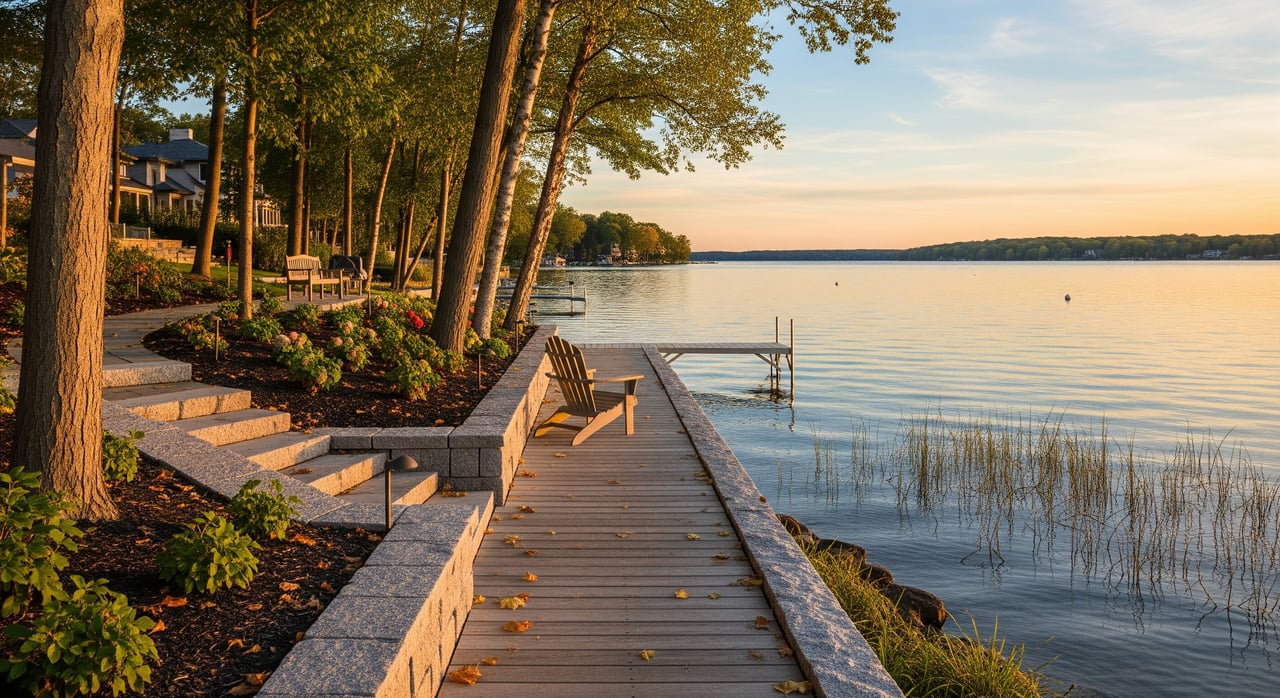
“Deeded lake access” is a recorded property right that lets you use a specific path, strip, parcel, or dock area to reach Lake Minnetonka. It is part of your property’s chain of title and can bind future owners if written to “run with the land.” The exact privileges depend on how the document is written and what state or local rules allow on the water.
Appurtenant vs in gross rights
- Appurtenant rights attach to a specific lot and typically transfer to new owners when the lot sells. Most neighborhood access in Deephaven is appurtenant.
- In gross rights belong to a person or entity, not to a lot. They may not transfer with a sale unless the document says so.
Easement, fee parcel, or license
- Easement: a recorded right to use land owned by someone else. Often permanent if described as perpetual.
- Fee parcel: the access area itself is owned outright by you or an association, which gives more control.
- License: permission that can be revoked. This is not a secure property interest for long-term planning.
Exclusive or shared use
- Exclusive access limits use to named holders of the right.
- Non-exclusive access allows multiple lots or owners to use the same area, often under rules and cost-sharing.
What it includes in practice
Deeded access can be broad or narrow. Typical recorded items include:
- Route to the lake with a legal description or plat reference, including width and location.
- Docking or mooring rights for a small boat, a buoy, or access to a shared dock area. Some documents allow docking, and some expressly forbid it.
- Use limits such as seasonal use, no commercial activity, and quiet hours.
- Maintenance duties spelling out who pays for repairs, landscaping, or dock work.
- Parking rules for vehicles or trailers. Many access strips are foot-path only.
Local rules on Lake Minnetonka
Even strong deed language must fit within Minnesota and local regulations.
- City of Deephaven and Hennepin County regulate shoreland setbacks, docks, and impervious surface limits. Local permit history can affect existing structures at an access point.
- Lake Minnetonka Conservation District (LMCD) regulates mooring, number and size of boat slips, buoys, and dock permits across the lake. LMCD rules can limit what you can do from a deeded access.
- Minnesota DNR and OHWL: the Ordinary High Water Level often marks where private upland ends and state waters begin. Structures that extend waterward may require permits.
Bottom line: your deeded right defines what you may attempt, and local rules determine what is actually allowed.
How deeded access differs from other rights
Understanding the differences can prevent costly surprises.
Shared recorded easements
Many Deephaven neighborhoods have a recorded easement serving several lots. The document should name who can use it, spell out the scope of use, and explain how costs are split.
Private fee parcel vs easement
Owning a fee waterfront parcel gives the highest level of control, subject to local rules. An easement grants use but not ownership, so your rights are limited to the exact text of the easement.
Informal or unrecorded access
Neighbor permission or oral agreements are revocable and risky. Long-term use can sometimes lead to complex legal claims, but buyers should not rely on that. If it is not recorded, do not count on it.
Riparian rights
Waterfront owners often have certain rights tied to the shore. A non-waterfront lot with deeded access may or may not gain those privileges. A right to walk to the lake is not the same as a right to install or control a dock.
Verify rights before you write an offer
You can avoid most surprises by collecting the right documents up front and asking focused questions.
Documents to request and review
- Recorded deed for the property
- The recorded access instrument (easement, covenant, plat dedication, or deed to an access parcel)
- Legal description and recorded plat map
- Title commitment and exception documents
- Recorded maintenance agreements or cost-sharing plans
- HOA or association CC&Rs, bylaws, and meeting minutes if applicable
- Survey or ALTA/NSPS survey that shows the access route and, if available, the OHWL
- Hennepin County property records and GIS parcel maps touching the access
- City of Deephaven permit history for any dock, stairs, or path at the access
- LMCD records for dock or mooring permits tied to the access
- Minnesota DNR records for OHWL determinations along the shoreline
Key items to confirm
- Form: fee ownership, permanent easement, license, or in gross right
- Scope: walk-in only, or also docking, mooring, launching, or storage
- Exclusivity: which lots or parties may use the access
- Transferability: does it run with the land, or is it personal to someone else
- Dimensions and route: exact width and physical path, and whether it crosses third-party land
- Maintenance: who pays, how costs are allocated, and who can authorize work
- Termination or change: any clauses that allow vacation or amendment
- Conflicts or disputes: any recorded litigation or claims
- Dock rights: number, size, placement rules, and whether permits exist and are transferable
- Parking: whether vehicles or trailers are allowed, and where
- Insurance: required coverage or indemnification for users or an association
Practical steps during diligence
- Ask the seller or listing agent for recorded access documents and any maintenance agreement before or at offer.
- Order a title commitment and insist on insurability of the access right when possible.
- Get a current survey, and consider an ALTA survey if the access is material to your use.
- Confirm dock or mooring status with the LMCD and the City of Deephaven, including transferability of any slips or permits.
- Verify the OHWL and any permit needs for planned structures or repairs.
- Consult a Minnesota real estate attorney for any unclear language or in gross rights.
- If shared, review HOA financials for maintenance reserves and any special assessments.
- Visit the access in person to assess condition, signage, and how neighbors use it in practice.
Common pitfalls and how to avoid them
- Assuming a dock is allowed. Dock rights depend on the recorded document and permits. Always confirm with the LMCD and the City of Deephaven.
- Ignoring maintenance. If the deed is silent on cost-sharing, expect ambiguity and potential disputes. Look for a recorded agreement.
- Overlooking transferability. If access is in gross and personal to someone else, it may not transfer with your purchase.
- Misreading exclusivity. Many access strips are non-exclusive and serve multiple lots. Plan for shared use and rules.
- Counting on parking. In older neighborhoods, access often means foot path only. Confirm parking allowances and local restrictions.
- Skipping the survey. A survey can reveal encroachments or a route that differs from what you expected.
Offer contingencies that protect you
Consider writing protections into your offer so you can verify the right and walk away if it does not meet your needs.
- Contingency to review and approve all recorded access documents
- Survey contingency to confirm the access route and dimensions
- Title commitment contingency that insures the access right, with acceptable exceptions stated
- Permit contingency for LMCD and City of Deephaven dock or mooring status
- HOA and maintenance-agreement review contingency for shared or association-managed access
Local practices in Deephaven
Deephaven and nearby pockets on Lake Minnetonka often feature small access strips or community docks serving a handful of homes. Here is what you will commonly see:
- Community docks or buoys managed by an HOA or a group of owners, with rules on slip assignment and seasonal use.
- Foot-path access without on-site parking. Street parking rules may apply.
- Varied rights by plat. Some developments conveyed a small fee-owned parcel to an association, while others created non-exclusive easements.
- LMCD limits that shape the number and size of slips regardless of deed language.
Plan your boating and storage needs around the actual recorded right and the practical limits in the neighborhood.
Get guidance from a lake expert
If lake access is central to your lifestyle, a thorough document review is your best friend. Pair that with on-the-ground knowledge of Deephaven customs, LMCD practices, and city permitting. Our Wayzata-based team helps you collect the right records, coordinate with title and survey pros, and structure smart contingencies so you can buy with confidence. When you are ready, connect with the Polovitz Group to start a focused, stress-light search that fits how you want to live on Lake Minnetonka.
FAQs
What does deeded lake access include in Deephaven?
- It is a recorded right to use a defined path or parcel to reach the lake, and it may or may not include docking, mooring, or parking depending on the document and local rules.
Does deeded access automatically allow a private dock?
- No, dock rights depend on the deed or easement language and on permits from the LMCD and the City of Deephaven.
Is deeded access exclusive to my lot only?
- Only if the document says so; many access easements are non-exclusive and shared among several named lots.
How do I confirm if slips or mooring spots transfer?
- Review the recorded documents and check LMCD and city records to confirm if any permits or assignments are transferable with the sale.
What if the access right is in gross, not appurtenant?
- An in gross right belongs to a person or entity and may not transfer with your purchase unless the document allows it, so verify before you rely on it.
Who pays for dock or path maintenance at a shared access?
- The recorded document or a maintenance agreement should set cost-sharing; if silent, expect ambiguity and negotiate clarity before closing.
Does public water status give me the right to cross shoreland?
- No, public water status supports navigation on the lake, but you still need a private right to cross shoreland to reach it.
Will title insurance cover my access rights?
- Ask your title company to insure the access right and review the title commitment exceptions so you know what is and is not covered.